Closed Minds, or the Phenomenon of Prison Psychosis

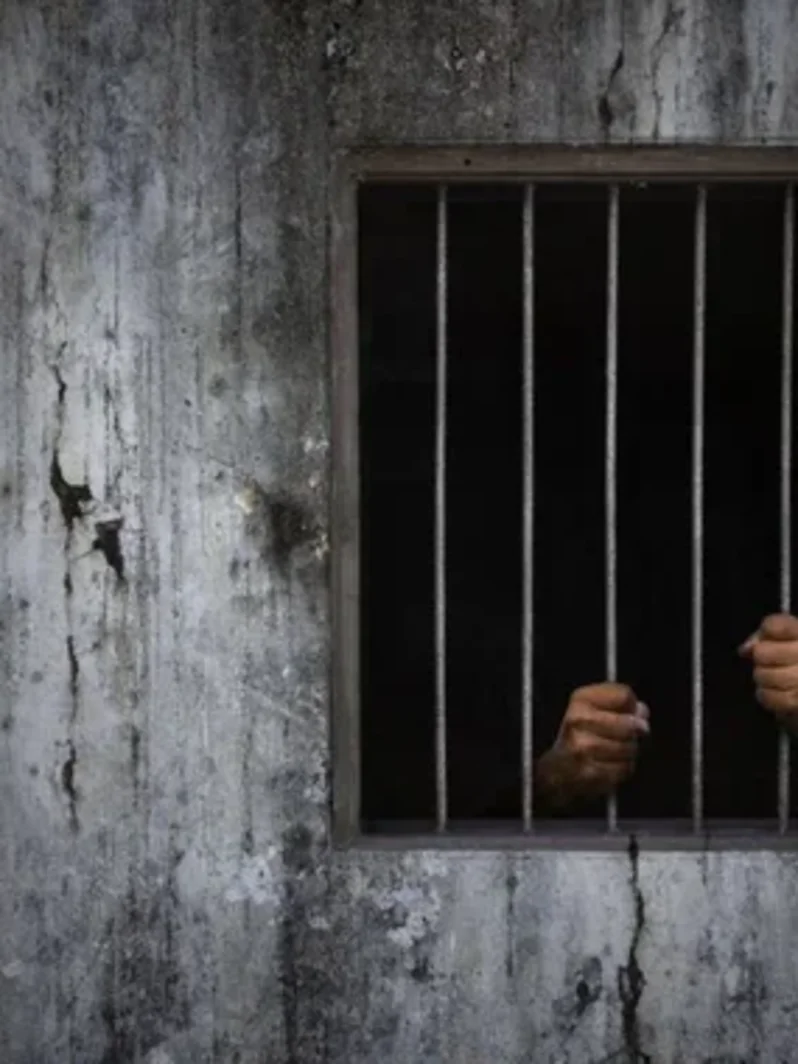
Psychosis, referred to in Hungarian as “madness” or “insanity,” is primarily characterized by a distortion of the sense of reality and a loss of contact with reality. The term "environmental psychosis" refers to, during which the individual’s perception of reality becomes distorted, and delusions or hallucinations may occur. A psychotic state can be caused by numerous physical illnesses and mental disorders in “healthy” people; however, your environment itself contains numerous sources of stress, such as the deprivation of freedom, isolation from family and friends, and confined and often crowded conditions. These factors can lead to a deterioration in mental health and, in some cases, to the development of psychotic symptoms.
It most commonly develops in prisoners who spend long periods in isolation, for example, in solitary confinement or in high-security correctional facilities; but it can also affect those who live under constant stress due to abuse, abuse of power, or constant threats. Confinement, and the stimulus-deprived environment can significantly affect mental functioning, leading to hallucinations, the development of paranoia, and delusions. Some prisoners report hearing voices, seeing objects move, or believing that they are constantly being watched and followed. Due to this distortion of reality, those affected often become aggressive or withdrawn, whichfurther challenges in their lives in prison and greatly complicates their subsequent reintegration. The emergence of psychotic symptoms can often result in aggressive or self-harming behavior: affected individuals struggle to establish relationships with other inmates or guards, which increases their sense of isolation and continuously worsens the situation. In some cases, inmates become so detached from reality that they are unable to recognize and meet their own needs, which can also lead to serious health problems. Mental illnesses among prison inmates not only harm the individual’s healthbut also endanger the safety and operation of prisons.
However, it is essential to distinguish between those criminals who, solely due to confinement and other environmental factors, end up in a state of mental incapacity while serving their sentences from those who were already, as in the latter case, their condition also influences the judgment. In the case of offenders with mental disorders, the decision on whether the sentence will be served in a correctional facility or under forensic psychiatric care, as a patient undergoing compulsory medical treatment.
The presence and assistance of a prison psychologist can greatly contribute to overcoming prison psychology, and to preventing the resulting problematic situations. Inmates have the opportunity, and fortunately often seek help from a psychologist regarding their problems and anxiety. Those who need this kind of support are those who consider their punishment unjust or who insist that they are innocent. In this case, the opportunity to share their problems presents itself to them, which in itself can make the situation more bearable. Based on an assessment of the inmate’s psychological and mental health status, the prison psychologist may recommend a referral to a hospital, allowing the institution’s doctors to send inmates suffering from severe mental disorders (IMEI). This is because the correctional facility does not provide specific treatment, but rather individual and group therapy, which no one is required to attend.
The treatment of psychoses in a hospital setting requires a complex approach, in which psychiatric care, treatment programs, and the provision of appropriate environmental conditions all play a key role. Inmates experiencing psychotic symptoms must be provided with appropriate medication to stabilize their condition. Group therapy, targeted counseling, and structured daily programs can collectively help reduce the sense of confinement and halt mental decline.
References: Petra Piroskáné Hajdu: The Tasks of the Prison Psychologist Dr. Mária Zsóka Bellavics: Clinical Profiling and Empiricism PRISON PSYCHOLOGY REVIEW 2015/4.