Prison Bands: The Prisonaires
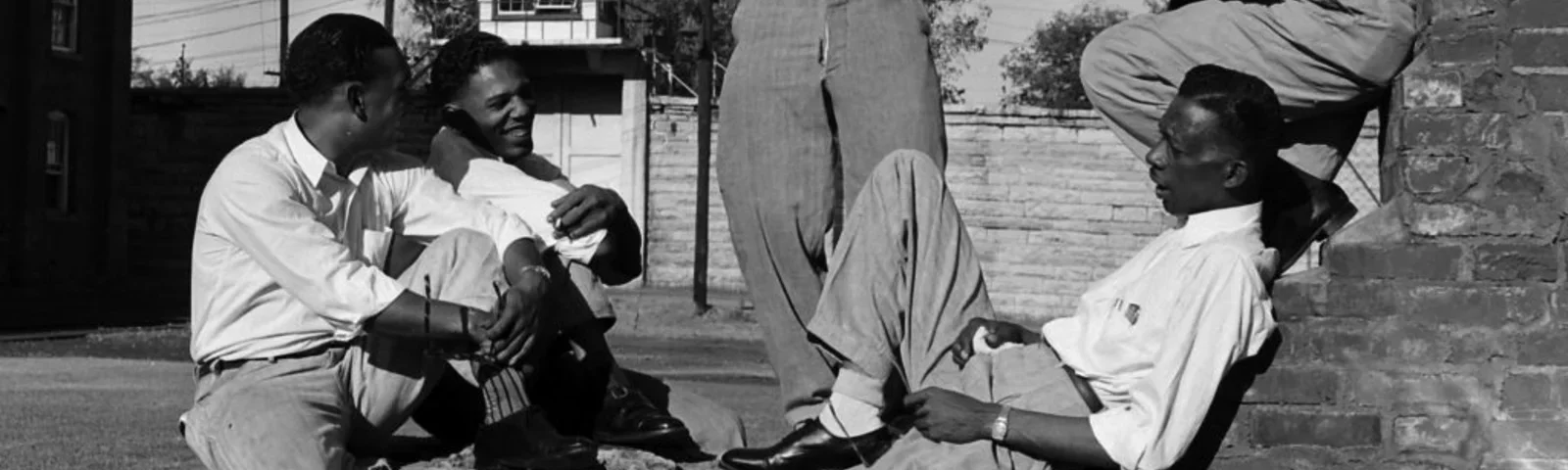
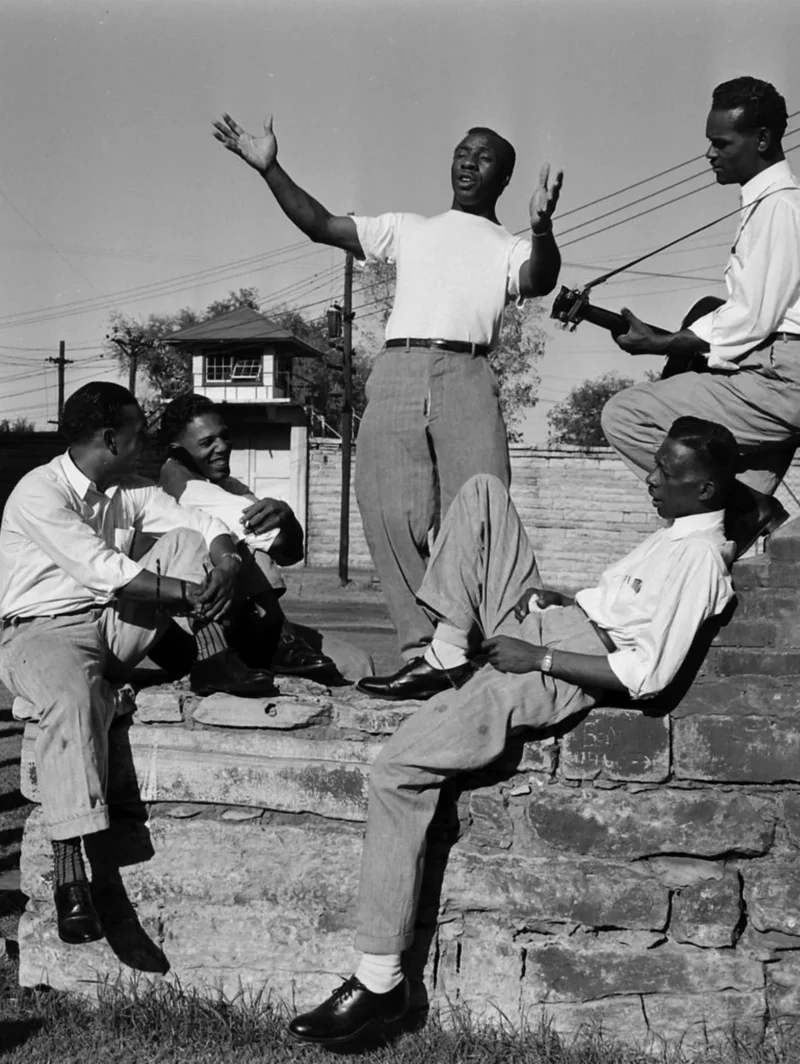
The Prisonaires are a doo-wop group (doo-wop is a musical style vocal-based rhythm and blues created by African American communities in the 1940s—ed.) that made a name for itself (not only) on the U.S. music scene with the song 'Just Walking in the Rain.' In June 1953, five musicians walked into the Sun Records studio in Memphis. This could easily be a typical story from the ’1950s, as dozens of young people flocked to Sam Phillips’ studio back then in hopes of seizing an opportunity to break out and achieve quick success. However, these musicians were brought in by a bus from Nashville and arrived under the escort of armed guards.
They all served their prison sentences at Tennessee State Penitentiary. The band’s leader was Johnny Bragg, who was convicted in 1943 at the age of 17 on six counts of rape. He never admitted to the charges. The formation of The Prisonaires can be traced back nearly ten years later, when two gospel singers, Ed Thurman and William Stewart, joined Bragg. Both were serving 99-year prison sentences at the time for murder. The group was completed when John Drue Jr. (3 years, for theft) and Marcell Sanders (serving a five-year sentence for manslaughter) joined the lineup. Bragg was the lead singer; Drue and Thurman handled the tenor parts, while Sanders took on the bass part. And finally, Stewart—grabbing a guitar—rounded out the production with his baritone voice.
The breakthrough for the band ultimately came through a radio report. Radio producer Joe Calloway’s team was on the air, heard the band, and was impressed by their talent. He organized a live broadcast on the radio, which caught the attention of Sam Phillips, the founder of Sun Records. He took immediate action. He arranged for the boys to be flown to Memphis, and they recorded, among other songs, 'Just Walking in the Rain.' According to a newspaper article from that time, the recording session lasted for over 14 hours, and Sam Phillips was impressed by the musicians’ perfectionism. The band made its public debut a few weeks later, and the record sold 250,000 copies! Phillips also established his reputation.
The young Governor Frank Clement supported the self-expression of talented prison inmates. He viewed this as a form of rehabilitation. With the governor’s permission, the band was able to tour the state of Tennessee, and sometimes even beyond. They performed in churches and prisons. Occasionally, they were invited to Governor Clement’s estate as well. From 1954 to 1959, every member of the band was placed on parole. Although Johnny Bragg did not finally leave prison until 1977, he was sent back several times before then. The song 'Just Walking in the Rain' was also covered by Johnny Ray; it reached No. 2 on the Billboard charts for him. And, of course, a lot of money.
The original authors of the song did not become superstars. They were well-known, performed in several states, and had fans. They are striking examples of how music—literally—can set you free. But life often doesn’t treat talent fairly. Especially not when legal barriers stand in the way—and rightly so.
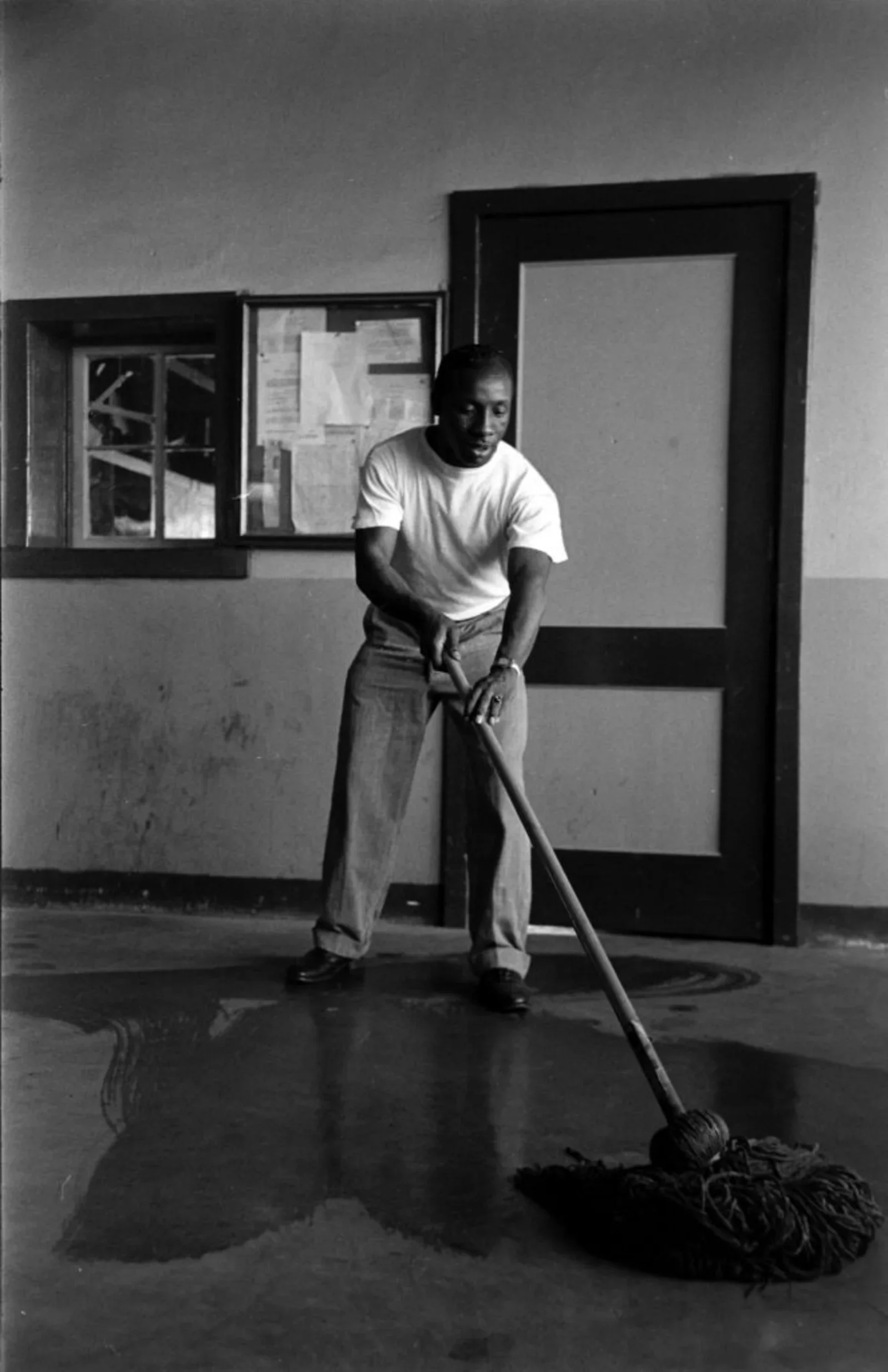
Bragg continued to write songs later on. In 1956, he founded a band called the Sunbeams (after Sanders was released on parole), which was later renamed Johnny Bragg and the Marigolds. In the meantime, there were several lineup changes. This band also achieved significant success.
After his release, Bragg ended up working at a cemetery as a gravedigger. Stewart died of a drug overdose in a Florida hotel room in 1959. Sanders passed away in the 1960s. Thurman died in an accident in 1973. Drue died of cancer in 1977. The band’s leader, Johnny Bragg, passed away in 2004, losing his battle with cancer.
Their songs are vivid. They transport us back to the era of hidden stories. They tell us of hardships, desires, racism, despair, hope, and freedom. Especially about freedom.
Source: https://4bro.hu/zene-eletfogytig-legendas-bortonzenekarok/
Photos: Robert W. Kelley The LIFE Picture Collection/Shutterstock