Rethinking Imprisonment: The Principles of the Norwegian Justice System
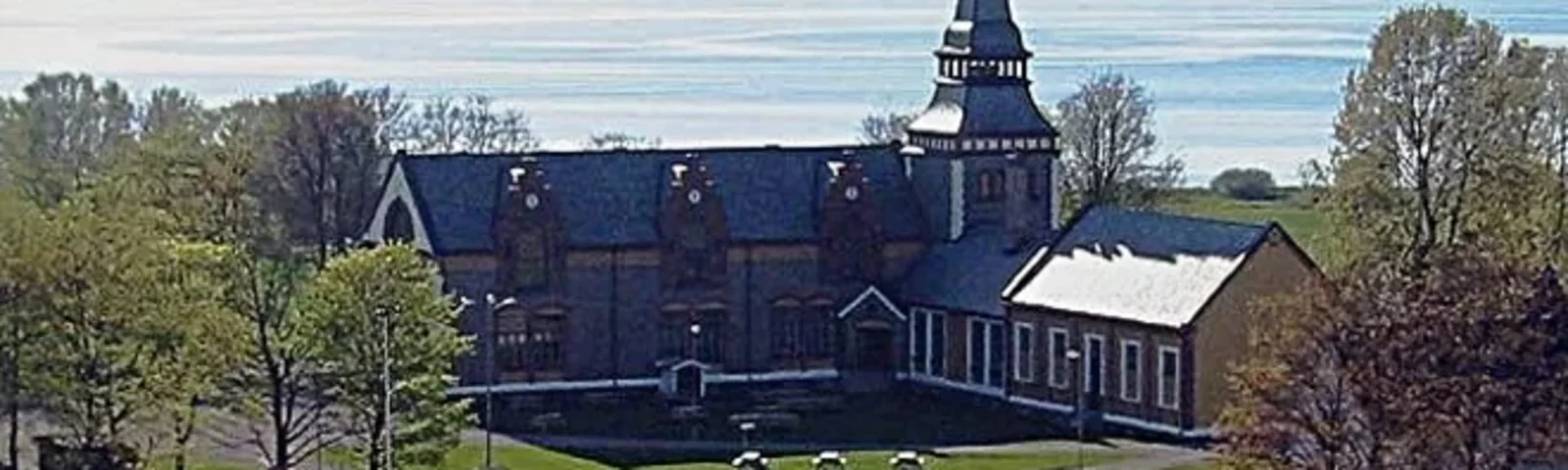
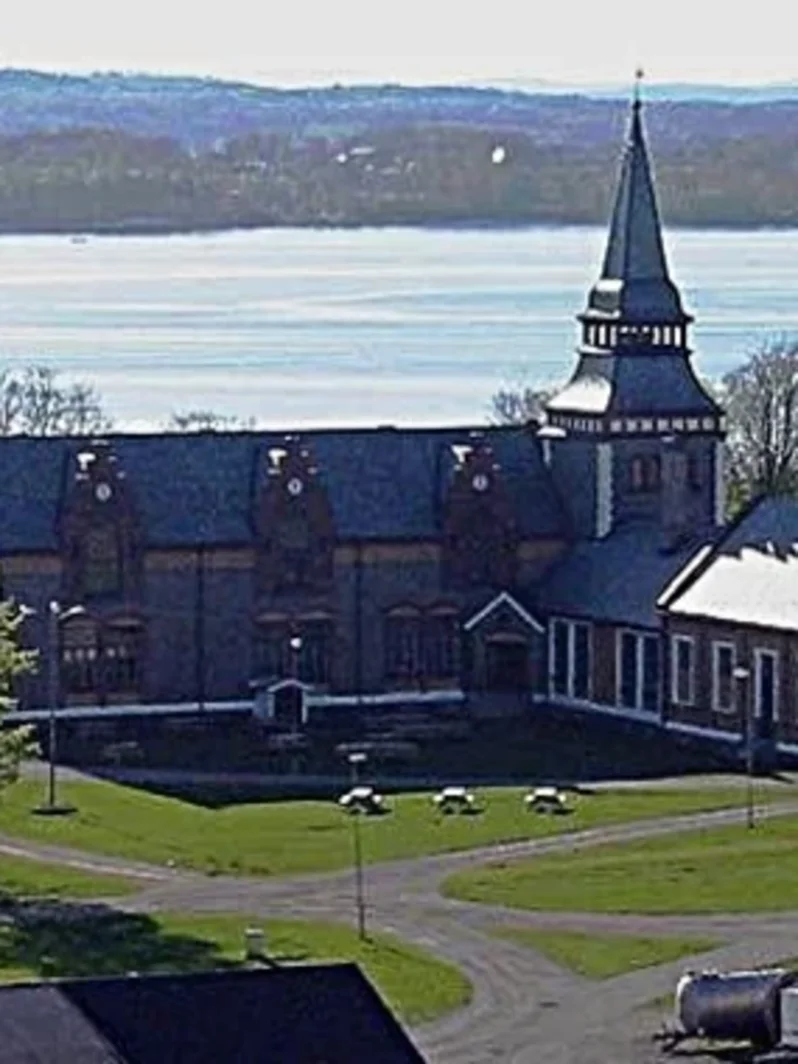
This philosophy is based on the conviction that criminals are human beings, and if they are treated in a decent way, they are more likely to become law-abiding citizens upon their release. In contrast to the views held in many European countries, the guiding principle of punishment in the Scandinavian world is normality, according to which prison life should be as close as possible to life in the outside world. This principle facilitates the reintegration of inmates into society, minimizing post-release shock, helplessness, and the likelihood of reoffending. These facilities are smaller in size, typically housing a maximum of 50–100 inmates, which allows for a more personalized approach and a stronger sense of community. The largest facility is located in Oslo, with a capacity of 392 inmates. The architectural design of the prisons also follows the principle of creating a more welcoming environment for inmates, thereby promoting rehabilitation. They also place great emphasis on supporting mental health and developing social skills.
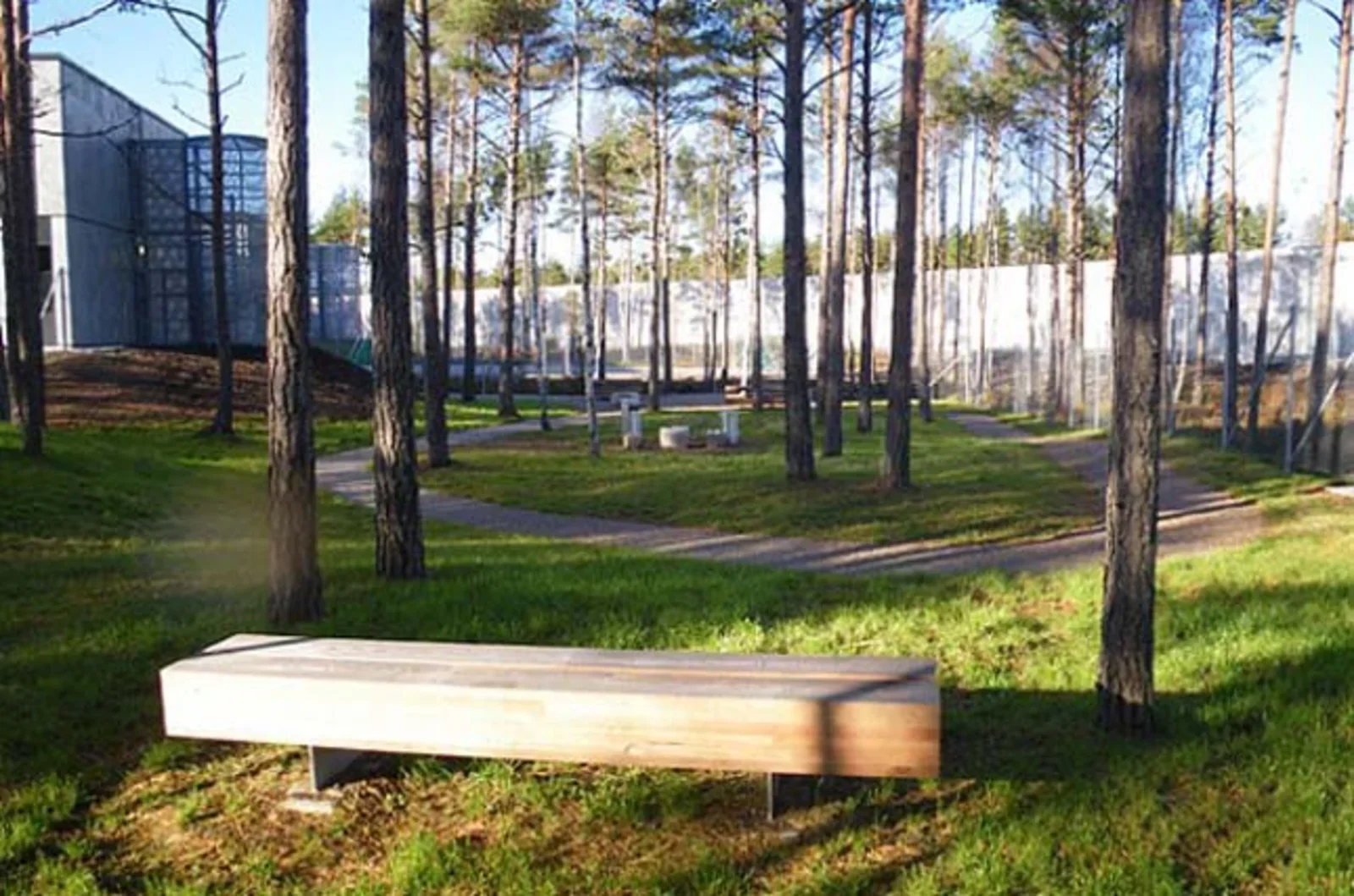
Located in southeastern Norway, Halden Prison is one of the world’s most modern and human-centered prisons, which strives not to rely on iron bars and strict measures, but to “reform” its inmates through empathy and respect. The cells are spacious and bright, equipped with a private bathroom, TV, and refrigerator, so they resemble a dormitory more than a correctional facility. In their free time, prisoners can play music, play sports, or cook, and the prison guards do not patrol with weapons but serve as supporters and mentors to the inmates. This rehabilitation-focused facility, designed to simulate life on the outside, provides housing for male offenders classified as dangerous offenders. Sex offenders who have been abused by other inmates, as well as those requiring psychiatric or medical supervision, are housed in the separate A wing, while the remaining inmates reside in wings B and C. A separate living unit has been established for the mentally ill, where they are treated with a focus on their recovery. Prisoners spend 12 hours a day in their cells, but during the remaining hours they are encouraged to spend their time productively, working or studying, for which they receive a daily stipend of 53 korunas (approx. 1,800 HUF). To spend their free time, from 8 a.m. to 8 p.m. they have the opportunity to exercise, read in the library, and do carpentry work. They have their own radio program, which is also broadcast by local radio stations after being recorded. The prison also has its own wooden house, which can accommodate 24-hour visits for prisoners’ families. In the Norwegian prison system, security is therefore ensured not by armed guards and strict physical restrictions, but rather on the safer and more empathetic operation of the prisons. For example, prisoners at Bastøy Island prison enjoy almost complete freedom in the context of work and agriculture, and the sole aim is to reintegrate them into society. The institution, which operates in a spirit completely opposed to that of the previous penitentiary, has been operating since 1982, accepting eligible inmates from other Norwegian prisons. Only selected inmates who meet strict criteria are admitted here; in exchange for their cooperation, they serve their sentences under much better conditions than the inmates of stricter prisons. Anyone who breaks the rules here is immediately sent back to a stricter facility.
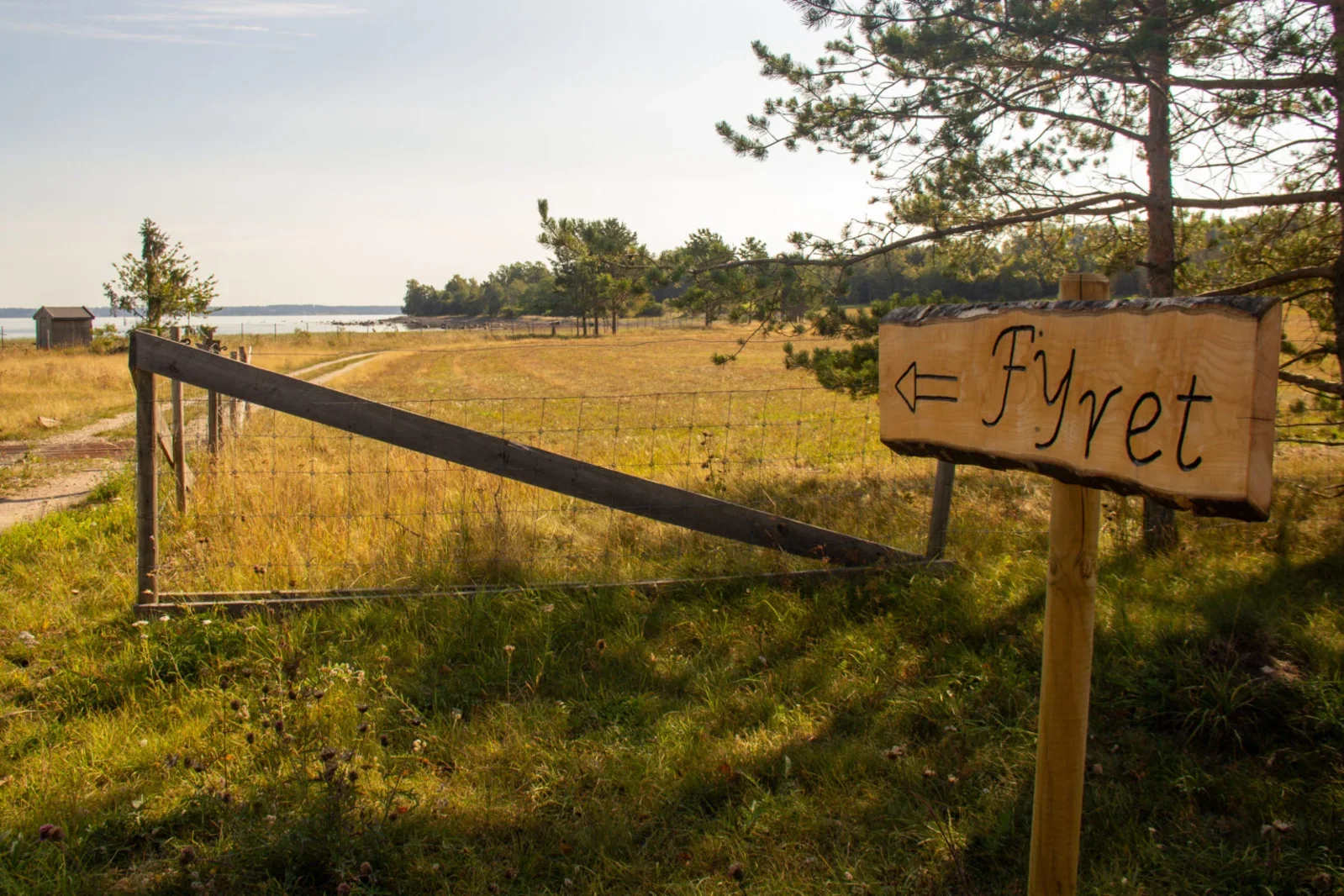
Bastøy is one of the most successful prisons in the world: while only 18 percent of those released from here reoffend, elsewhere that number can be as high as 70 percent. A grill is an essential fixture in the prison yard, where inmates often barbecue. Of course, alcohol consumption is prohibited at these gatherings, which is why inmates occasionally attempt to make homemade alcoholic beverages by fermenting milk; however, such activities are strictly prohibited and result in the immediate loss of privileges and trust. Here, prisoners have the opportunity to engage in leisure activities, such as sports, fishing, or relaxing in nature, as the goal is to preserve human dignity and to ensure an environment that facilitates the reintegration of inmates into society. The community built within prisons promotes the rehabilitation of inmates, and significantly reduces the likelihood of recidivism.
The advantage of the Scandinavian, Norwegian penal system lies in its emphasis on rehabilitation, which helps inmates. By providing normal living conditions and personalized programs, the system promotes the transformation of criminal behavior, thereby reducing the likelihood of recidivism. Consequently, this approach benefits not only the individual concerned but society as a whole, as it results in fewer recidivists and individuals who are better integrated upon their release from prison.
References: Ruzsonyi, Péter: An Analysis of the Penal Enforcement Systems of the Scandinavian Countries. PRISON REVIEW, 30 Just like a residential complex – Life in the world’s most humane prison (Nők Lapja Café, 2023.) This Norwegian prison is the nicest in the world – World Economic Forum Bastøy, Norway’s prison island – National Crime Prevention Council (bunmegelozes.hu)