Stigma or self-expression?
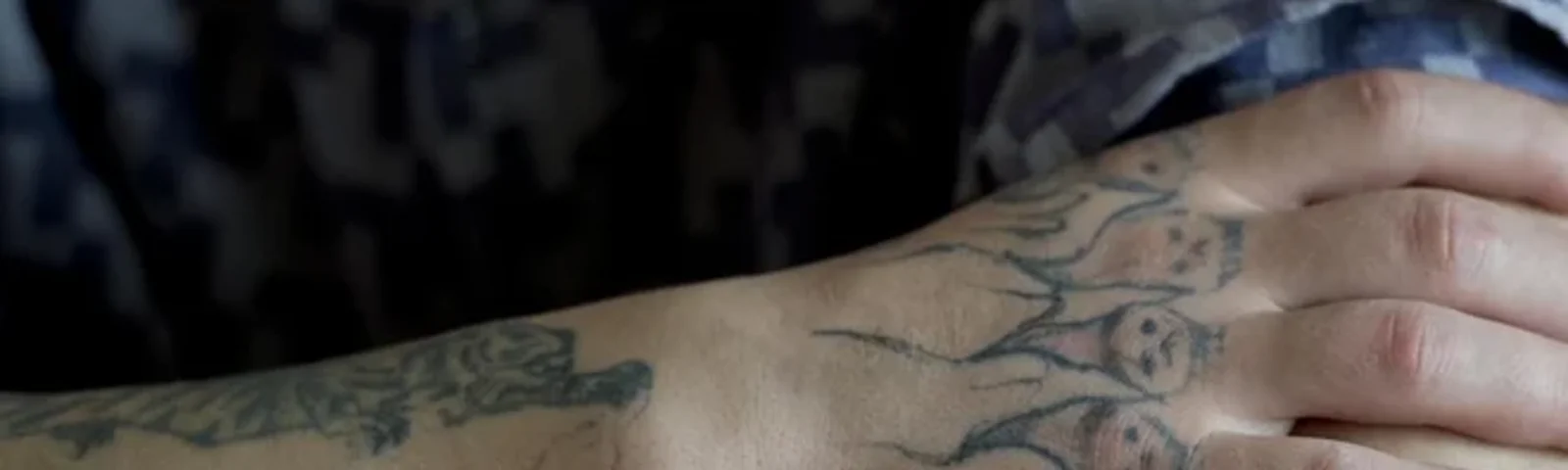
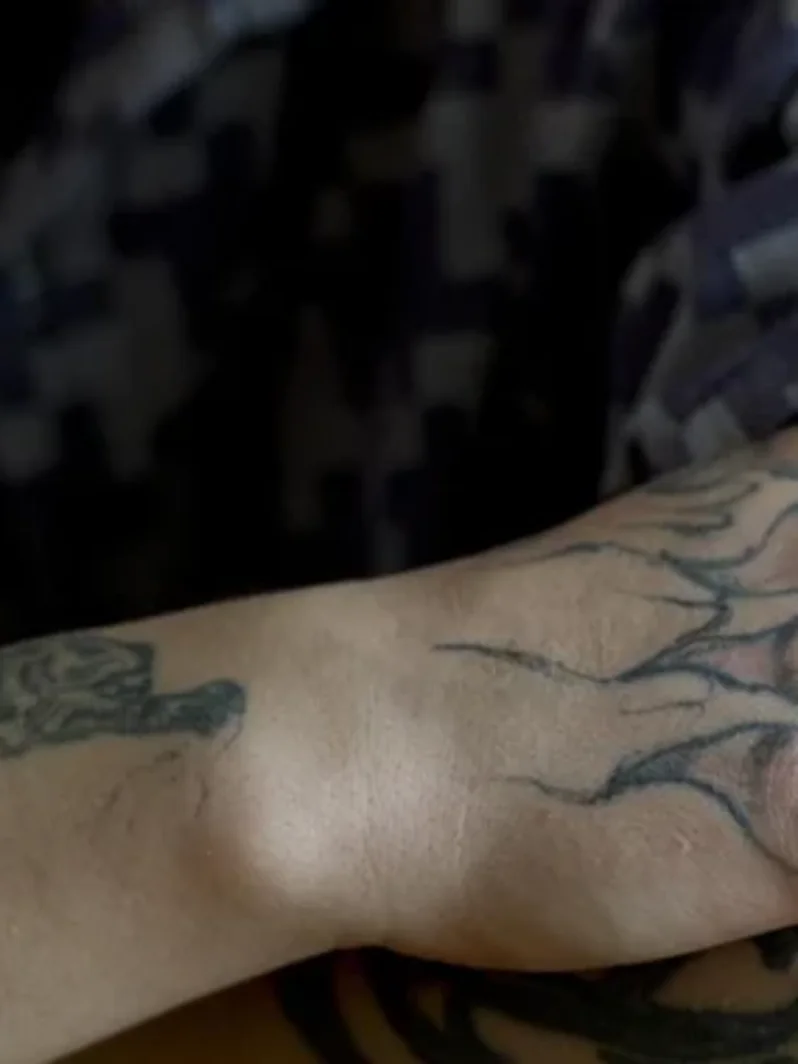
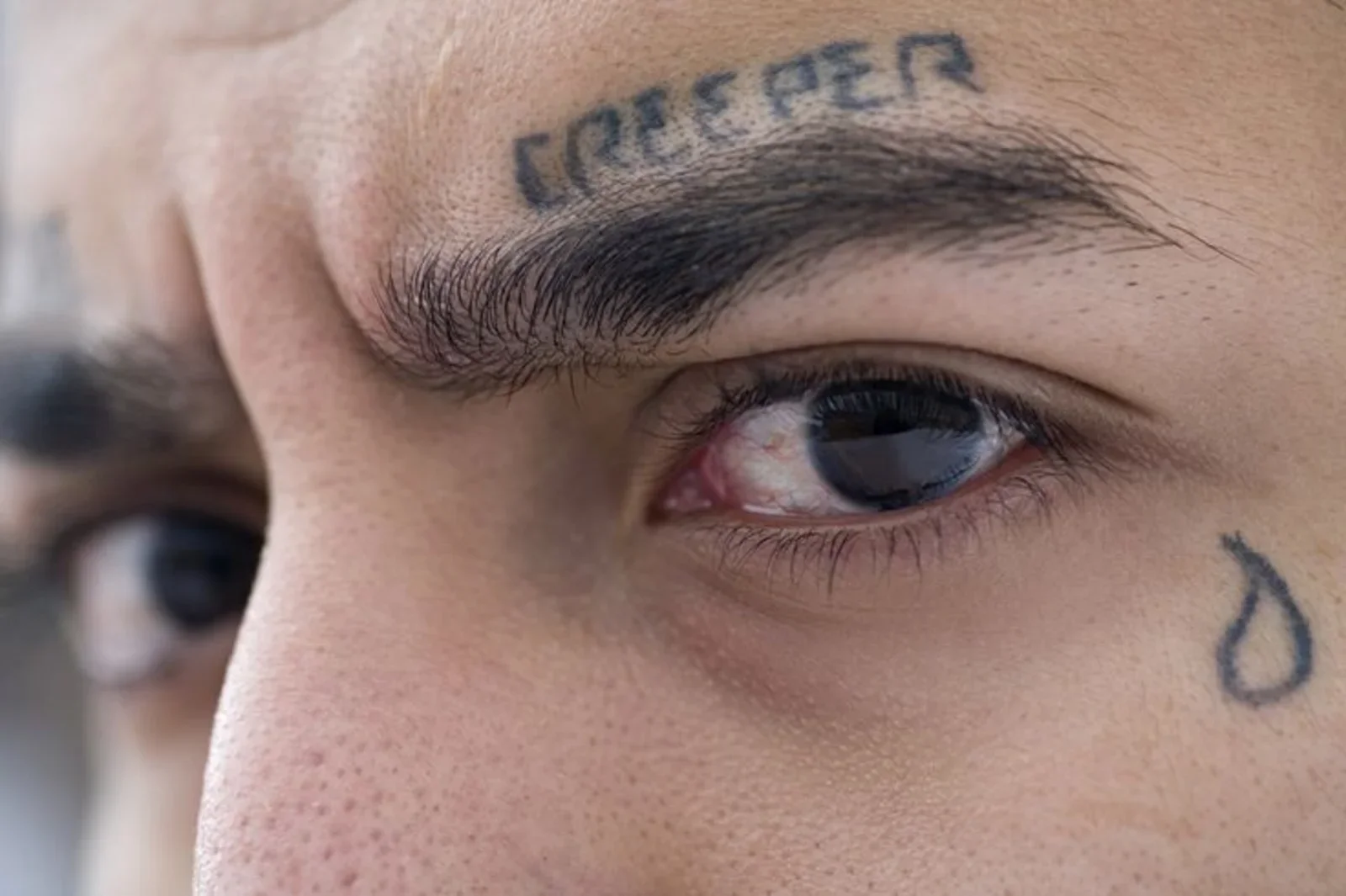
Unlike prison films, for here they are not intended as aesthetic or memorable artistic representations, but rather serve as tools of communication. Although the patterns may seem innocent, let no one be deceived, for they carry serious meaning. In this way, inmates communicate to one another their group affiliation, the nature of the crimes they have committed, and their desire for freedom. There are traditional ones where these may vary, and there are also international ones. Prisoners create them themselves while inside the prison. Tattooing is not considered a permitted activity, so inmates make their own tattoo equipment in secret from whatever materials they can find, such as ballpoint pens, hairpins, and pins. They mix the ink from a quill pen or soot with some kind of cream and use it as paint. The finished tools may have to be moved to a new owner several times a day to prevent guards from detecting them and confiscating them. But what exactly are these tattoos, and how can I recognize them? Perhaps the best-known one, which is widespread internationally and means the same thing everywhere, is the teardrop under the eye. Meaning: the person has already killed someone. The number of teardrops indicates the number of victims. If we encounter such a person, we must be very careful. Although it may appear to be a symbol of repentance, the person wearing it had it tattooed on themselves precisely because of its literal meaning. So it doesn’t mean they won’t commit this crime again.
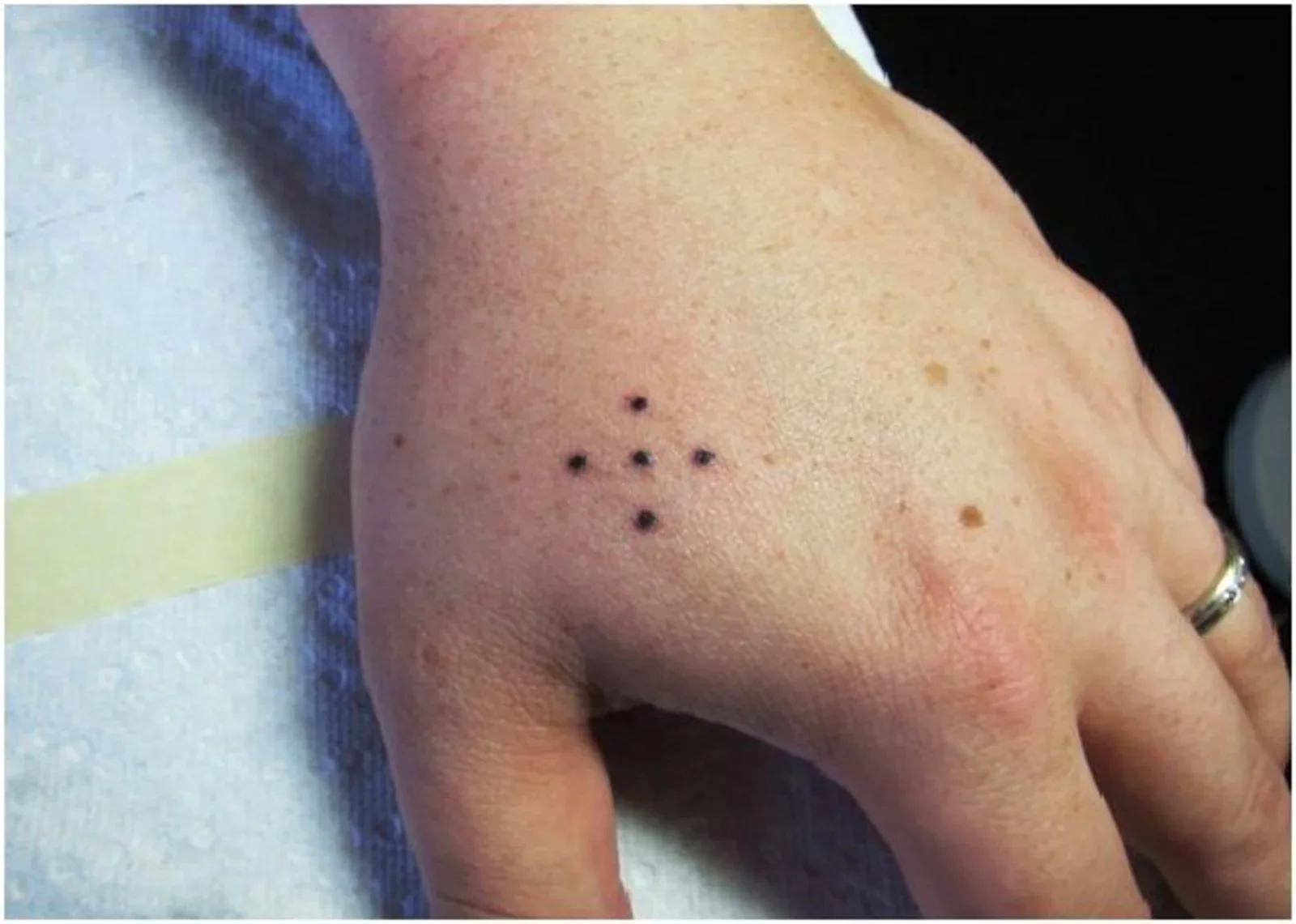
In Hungary, the most well-known one is the “five-point tattoo,” also known as the “Tököl prison tattoo.” As the name suggests, it originates from Tököl National Penitentiary, where anyone who is sent there receives this stigma almost immediately. This means they are behind bars. From now on, they are branded; they can never wash this away.
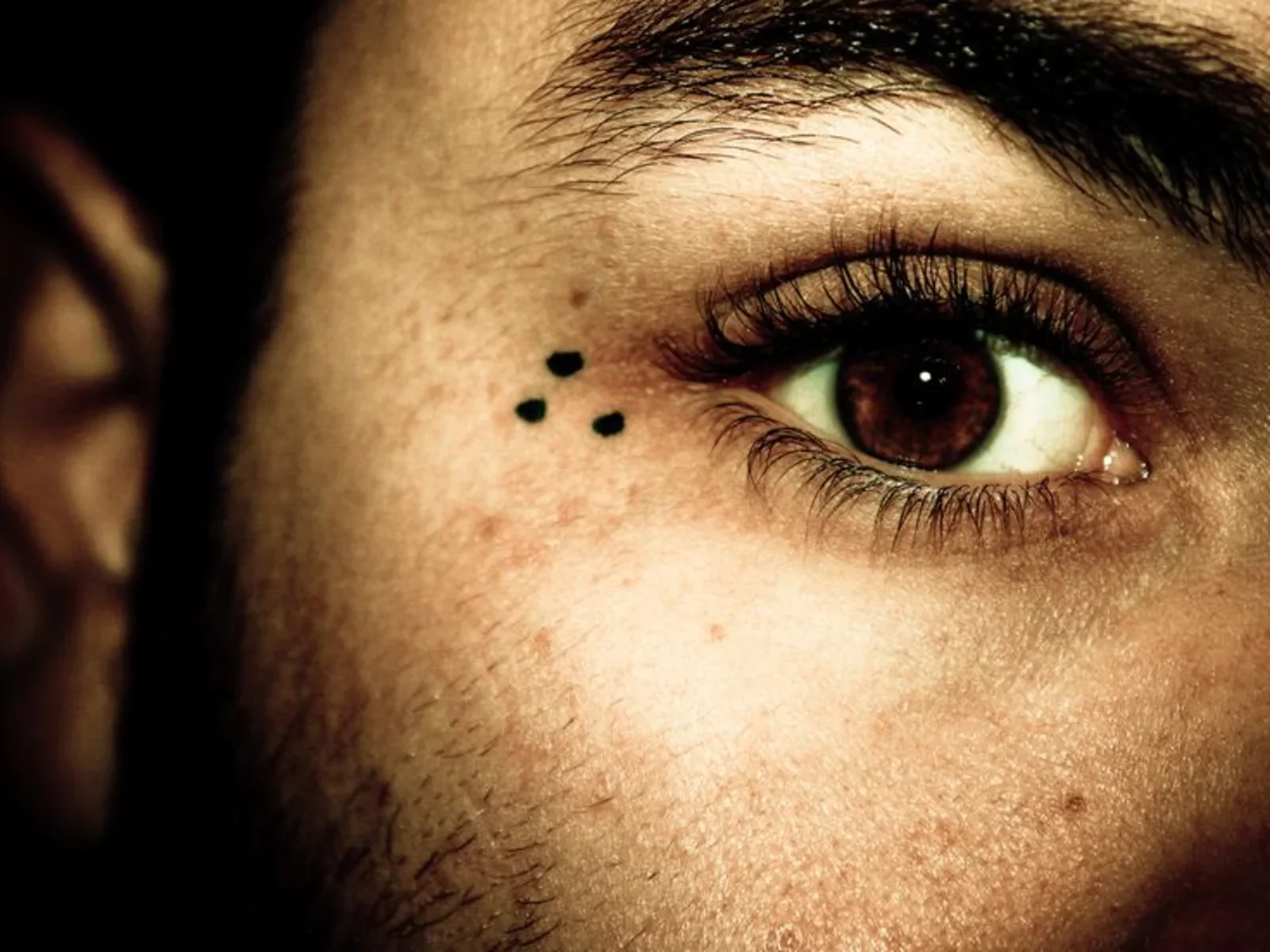
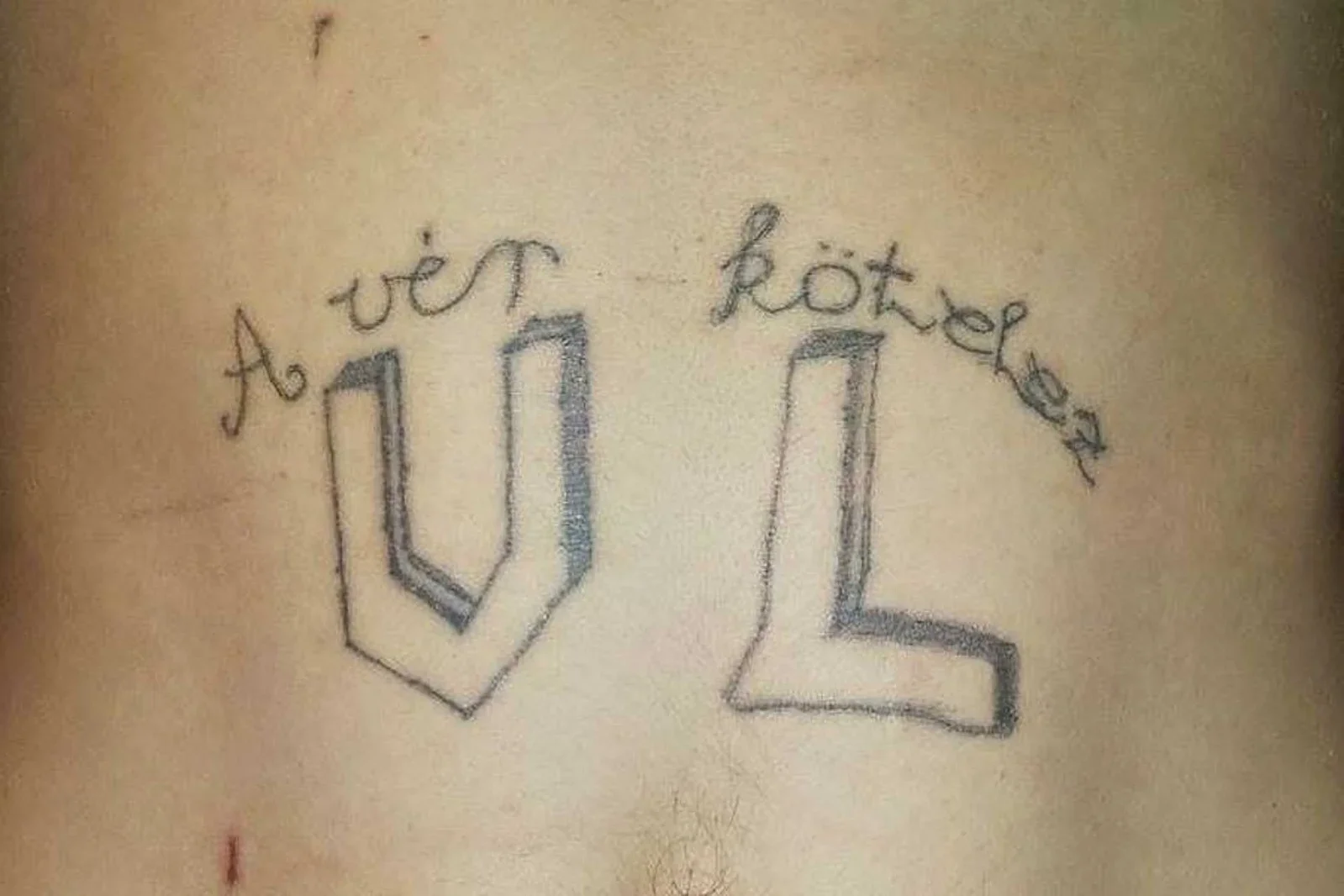
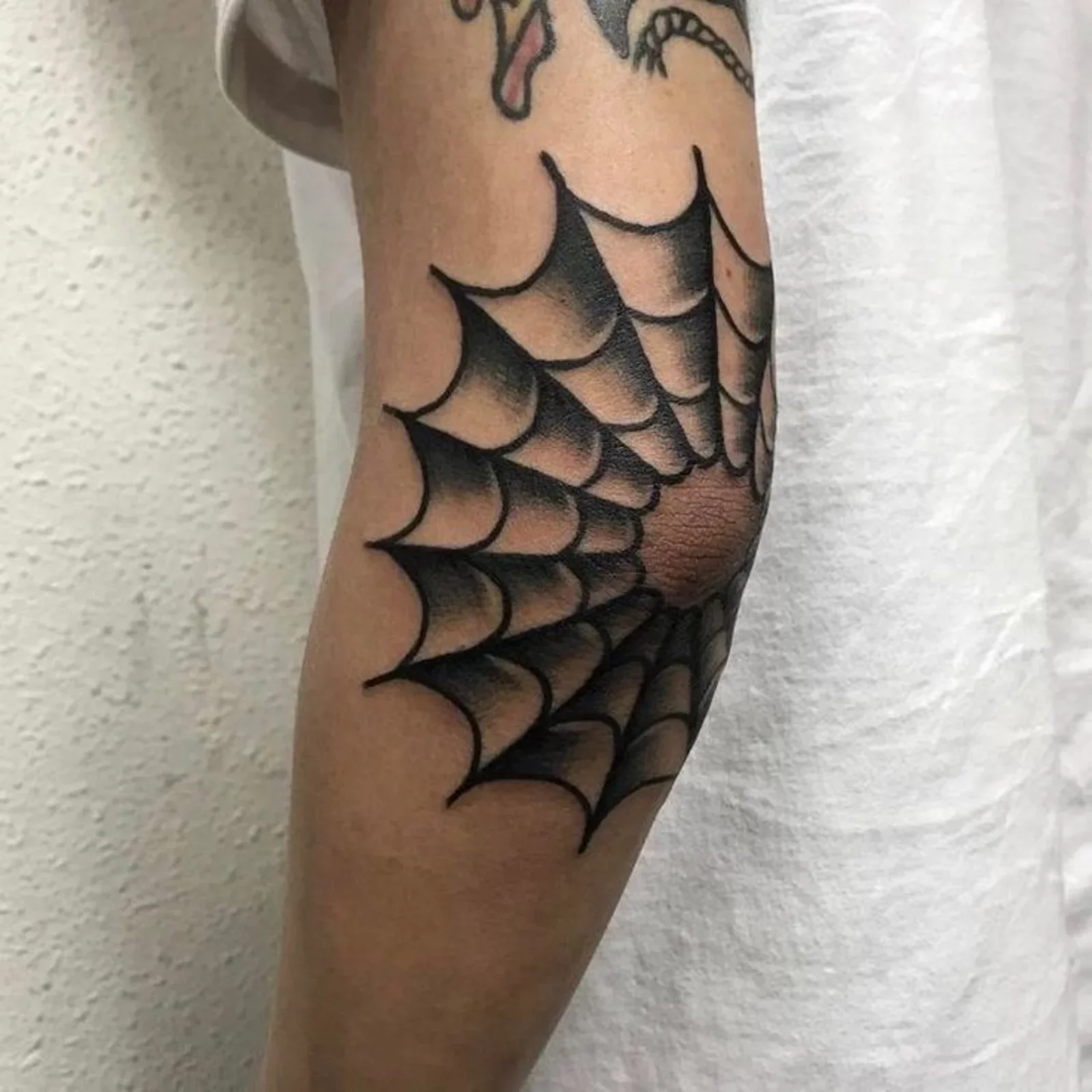
There are tattoos whose meaning varies depending on which part of the body they are placed on. One such example is the spider web. If it’s on the wrist, it indicates a serious addiction, and the person wearing it has likely been in rehab multiple times. On any other part of the body, however, it means that they consider themselves innocent. Just like a fly that has fallen into a spider’s web. Often, the web can also indicate how many years of imprisonment they received.
These are the most common in Hungary, but countless other designs are also known in the world of body art. In Russia alone, there are nearly 30 tattoos, each with a different meaning. The number of designs adorning a prisoner’s body largely depends on the length of their sentence. Although they play an important role in communication within the prison, they make life on the outside more difficult upon release. In a sense, inmates stigmatize themselves. Thus, it often happens that after serving a few years, they have their tattoos removed with laser treatment with the help of professionals. In maximum-security prisons, where inmates serve sentences of more than 20 years or life, inmates often have designs covering their entire bodies, as they have settled into prison life for the remainder of their lives.