The Psychology of Hostage Situations: Stockholm Syndrome
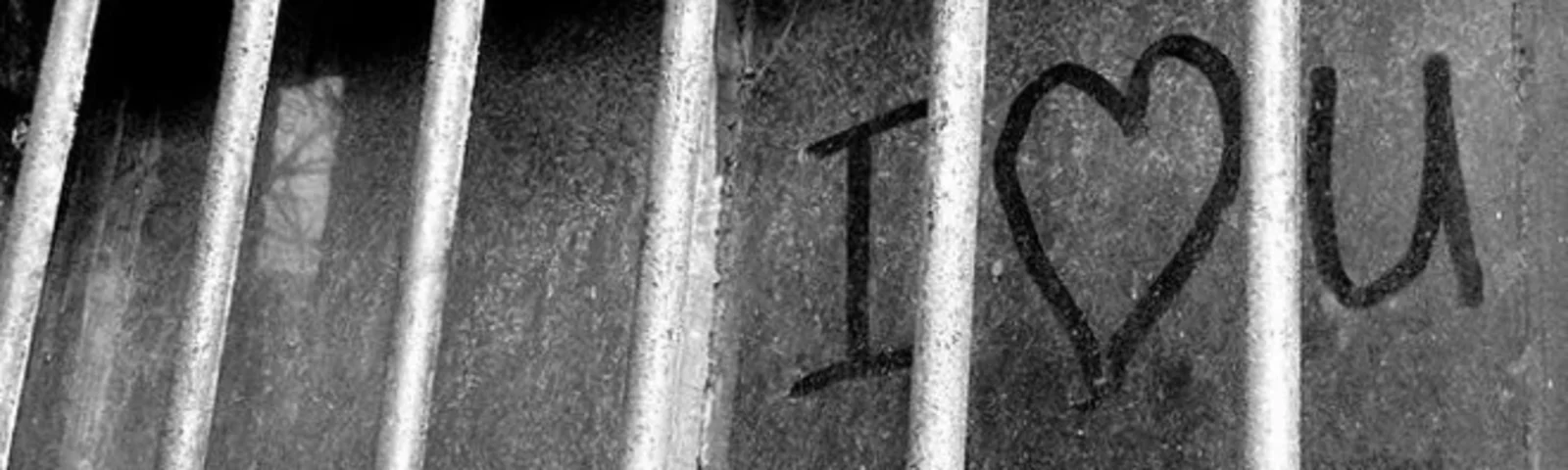

People are social beings; relationships are vital to them. Stockholm syndrome is a psychological phenomenon in which victims develop an emotional bond with their captors or abusers. This reaction is often part of a coping mechanism, whereby individuals in a vulnerable situation develop positive feelings toward those who threaten them.
By definition, Stockholm syndrome is a coping mechanism—or a so-called psychological response—to a situation of abuse or captivity. The victim begins to feel positive emotions toward the abuser, empathizes with them, and sometimes even regards the perpetrators’ interests and goals as their own. In more severe cases, they react negatively toward anyone who tries to pull them out of their addiction, such as the police or, in the case of an abusive relationship, friends trying to help. The purpose of this mechanism is simply to help the suffering individual cope with the trauma or terrible situation they are facing, thereby ensuring their survival. The incident from which this phenomenon takes its name occurred on August 23, 1973, at Sveriges Kreditbank in Stockholm. Two escaped ex-convicts took control of the building at 10:15 a.m., and, armed with machine guns, attacked those inside. For five and a half days—specifically, for 131 hours—they held the bank employees hostage in a vault. After the police defused the threat, the hostages gave interviews about their experiences: the four individuals shared interesting details with the world, as they had formed strong bonds with their captors; in fact, one of them claimed during the siege that the robbers were “protecting them from the police.” This positive atmosphere persisted even after the trials. The symptoms mentioned earlier, such as positive feelings toward the abuser, as well as the internalization of the criminal’s values and goals, clearly take center stage in the situation. In addition, the victim may experience symptoms similar to post-traumatic stress disorder (PTSD), including flashbacksof the traumatic event, distrust, irritability, anxiety, and difficulty concentrating. The victim often feels grateful even for the slightest kindness from the abuser after so much suffering, and, lacking an independent perspective, sees themselves through the perpetrator’s eyes. By suppressing their own fear, the victim strives to establish bonds that the abuser —whether in reality or in the victim’s imagination— nurturing the hope that this will transform the relationship into one that appears to nourish the abusive dynamic. Relatively few people fall into such a trap, yet there are situations in everyday life that may exhibit similar relational dynamics and potentially lead to a state reminiscent of Stockholm syndrome. One of the most popular series in the modern streaming world, Money Heist (La Casa De Papel, 2017), features Stockholm syndrome as one of its central psychological themes, which appears in the relationships of several characters. One of the most striking examples in the series is the romantic relationship between Mónica Gaztambide and Denver. Mónica is an employee of the Spanish Royal Mint and becomes a hostage of the robbers. At first, she is afraid of them, but as the plot unfolds, she grows closer to one of the robbers. Their bond deepens especially when, against his boss’s orders, he spares the woman’s life and begins to care for her. Eventually, they fall in love, and when Mónica finally aligns herself with the robbers, her new alias serves as a reference to this psychological phenomenon: Mónica has crossed a line; she no longer sees herself as a victim, but rather identifies with one of the robbers. Although it is a fictional story (which presumably draws heavily on the details of the aforementioned bank robbery case), the portrayal of Stockholm syndrome accurately depicts the real psychological phenomenon in several respects. However, it is also important to note that in the series— understandably, due to the dramatic plot— this condition is repeatedly placed in an idealized and romantic context, whereas in reality, victims of Stockholm syndrome are in many cases not in love but remain victims of complex emotional manipulation. It is important to note that Stockholm syndrome does not occur systematically in every situation or abusive relationship. The occurrence of this phenomenon is rare and depends on numerous factors, including the victim’s personality, the duration of captivity, and the captor’s behavior. Understanding the syndrome can be crucial for negotiations with the perpetrator, and when working with individuals who have experienced abuse. The phenomenon of Stockholm syndrome sheds light on the and illustrates how survival mechanisms can take unexpected forms in extreme situations. Studying such cases can help professionals gain a deeper understanding of and better manage psychological responses that arise in extreme stress situations. References: Franciska Baki: Did Beauty Really Love the Beast?—Stockholm Syndrome in Reality