The reintegration of former prisoners into the labor market
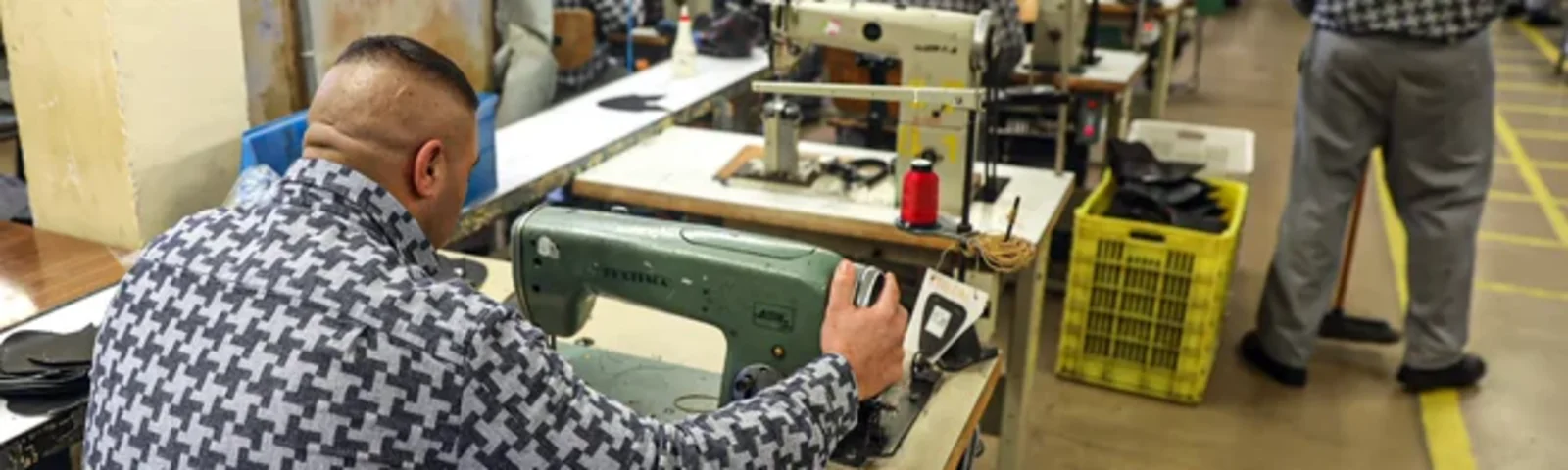
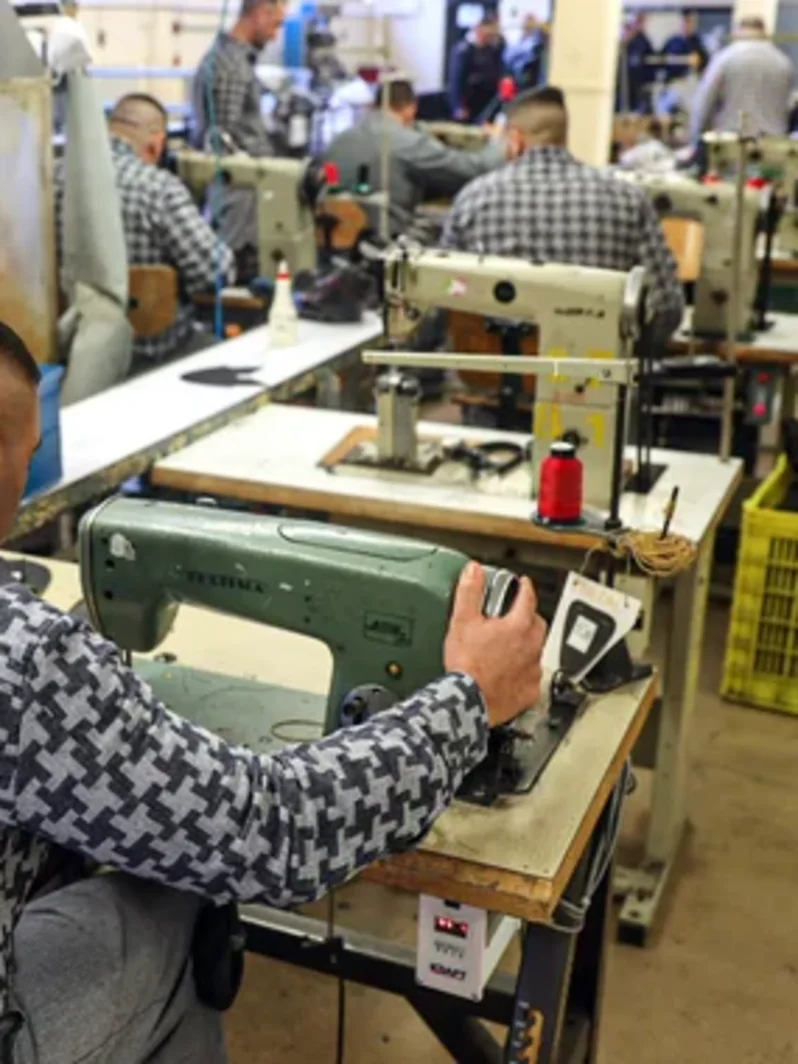
In prisons, inmates can typically access individual and group counseling sessions during the pre-release phase, in addition, they can spend time on skills-building activities and even participate in reintegrationprograms, where they can receive career guidance—an effort aimed at preventing future recidivism. All interested inmates have access to an opportunity that ensures they learn effective coping strategies within the prison walls; if they wish, they can also learn a language or even a new trade.
However, most employers generally do not want to hire former inmates because they feel this could damage their own reputation. Typically, those who have made mistakes in the past are essentially excluded from society, which is a direct path to reoffending. Belonging somewhere is a fundamental human need. Those released from prison who return to their original communities very often turn to crime again, because, in order to survive, they must belong somewhere—in their case, to this specific community. Victims of abuse—especially those who come from abusive families — find it difficult to break free from the ingrained belief that violence is the only means by which they can achieve their goals. Despite the positive effects of reintegration programs, it is often difficult for those released from prison to adapt to society’s expectations, especially if much has changed in the world during that time, or if the psychological effects of prison, such as depression, may still be present. Life in prison, in a closed system and under forced isolation, exerts numerous effects on them that may, over time, influence their personality. In the case of individuals who have committed a crime, feelings of shame and guilt emerge very quickly, and their effects are long-lasting and significant. Provided there are no underlying psychological issues, the offender realizes that they have let their family down and regrets their actions: after serving their prison sentence, they are often plagued by guilt, which further exacerbates their psychological burden. At the same time, if an innocent person is wrongfully convicted, and it later turns out that they did not commit the crime, they still face the same stigma: society treats them just as much as a criminal, no differentfrom actual offenders, which also hinders their reintegration and further exacerbates their situation. For people with a criminal record, it is often extremely difficult to re-enter the labor market, as a criminal record can frequently pose a serious disadvantage, especially in the public sector. In the private sector, however, there may be a chance for a fresh start, but often the lack of a professional network and a lack of moral integrity are also hindering factors. Such candidates should be evaluated strictly on professional grounds, with particular attention to this: assessing whether our current team would accept them, as well as whether the individual would be capable of performing their duties professionally. As an HR professional, as a colleague, and as an individual, we may have entirely legitimate moral reservations about certain situations in some cases, but in a professional context, we must be able to set these aside. Society and employers must increasingly accept that past mistakes do not forever determine a person’s future: even even a person with a criminal record can change if they receive the right support. To eliminate social prejudices and ensure the proper integration, it is essential that the labor market not overlook or exclude them from the selection process solely on the basis of their past.
References: Eszter Galambosi: “There are no bad people, only those who have done wrong” – Our common cause: reintegration (Nők Lapja, 2013) - https://www.noklapja.hu/aktualis/2023/09/15/riport-borton-partfogo-felugyelo-pszichologus-elitelt-bunozo-stigma-tarsadalom/