The Theme of Crime and Punishment in János Arany’s Ballad 'Corn-Husking'
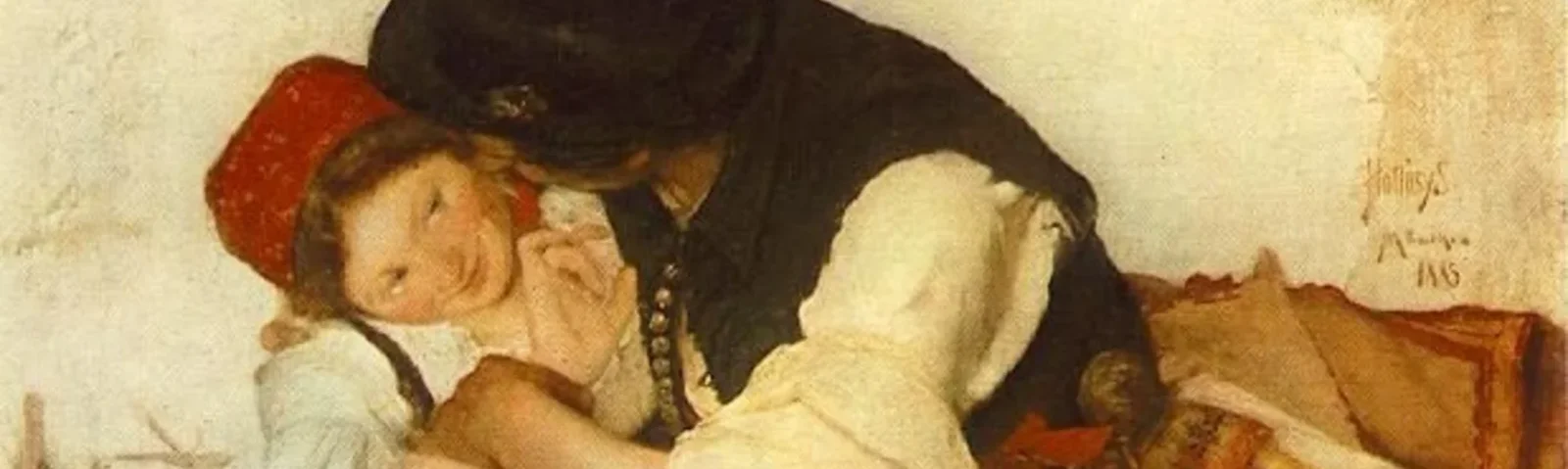
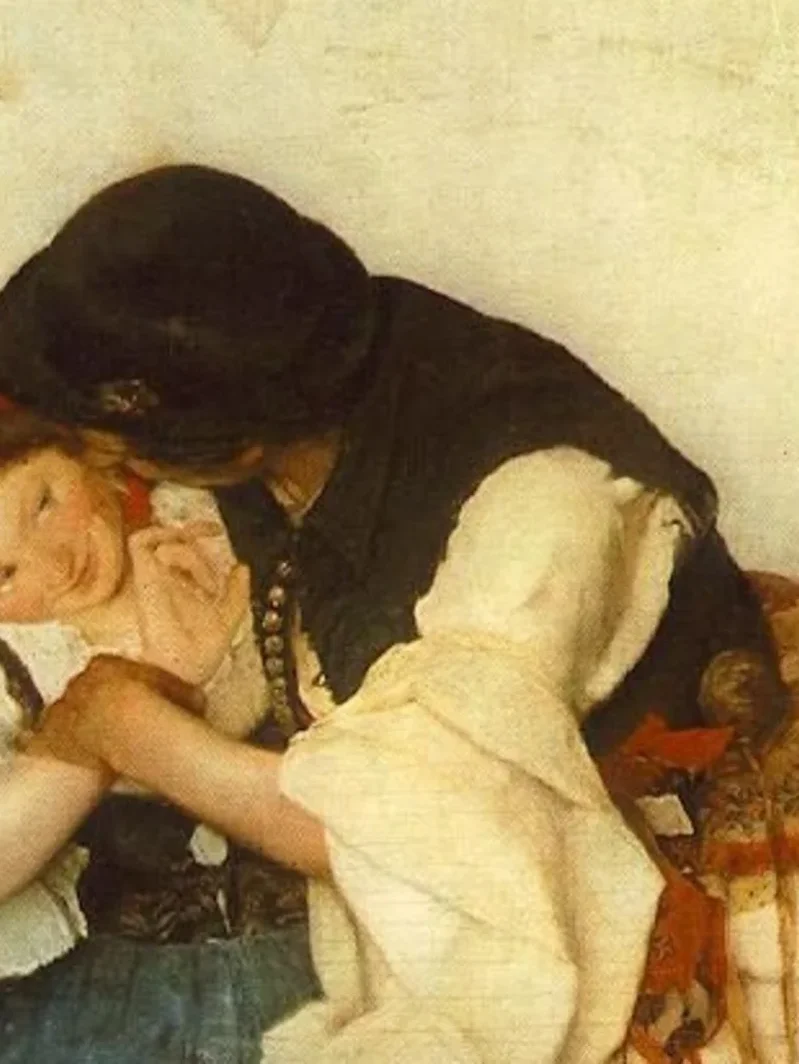
Like other Arany ballads, Corn-Husking' also revolves around the theme of sin and punishment. The main characters violate social norms and traditional moral laws, and for this they must be punished with death, or more precisely, with madness and suicide.
In his later ballads, Arany was drawn to folk and superstitious themes. He became increasingly preoccupied with the world and value system of rural people, and the focus shifts to the unpredictable, fateful motifs that guide human actions, instinct, and acts that cannot be explained by reason.
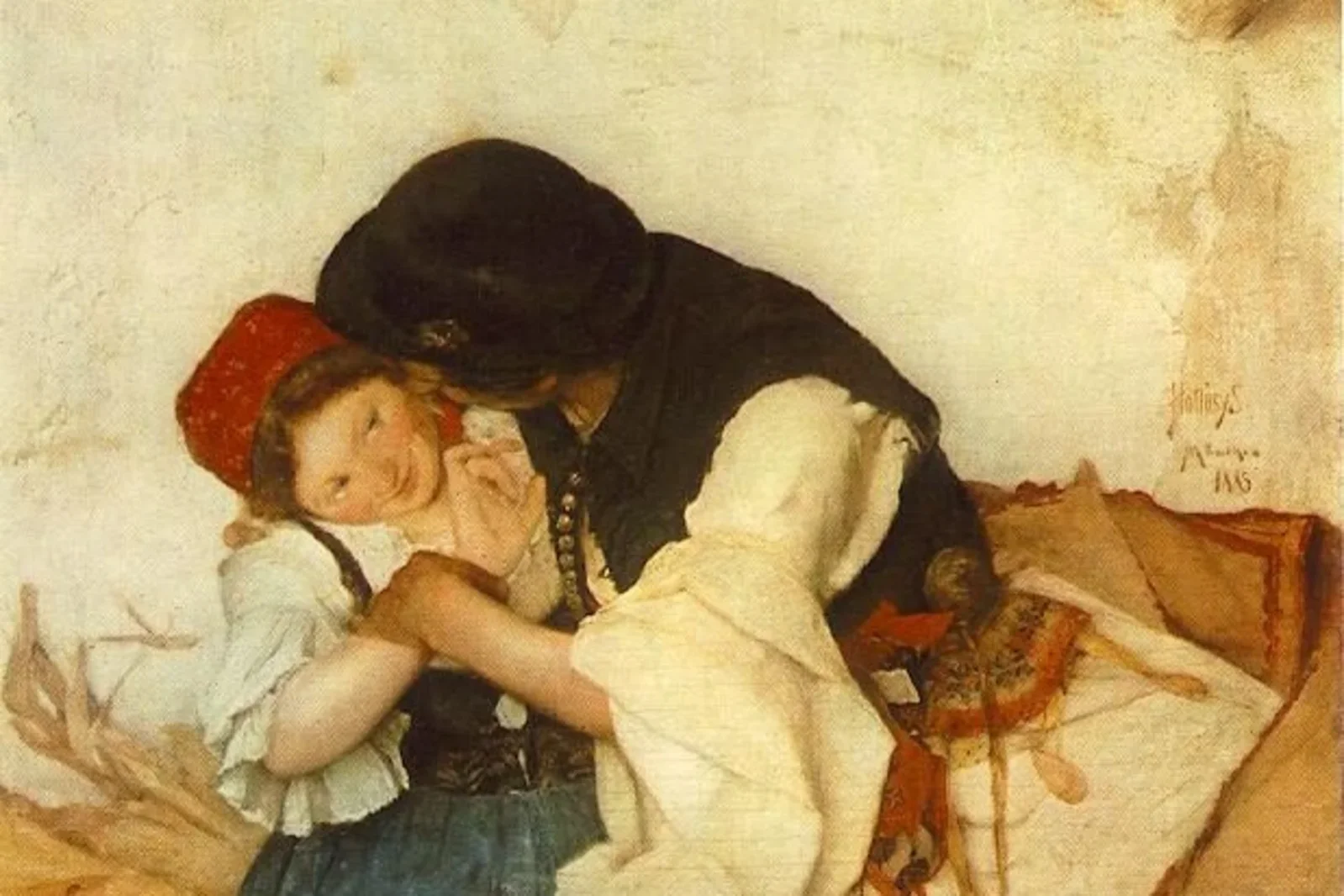
A deeply superstitious, mythical worldview unfolds before us. 'Corn-Husking' (1877) is the first work that— draws on living folk tradition—openly embraces the genre conventions of the ghost ballad. On winter evenings, peasants shell corn, and while the old women work, they turn to ghost stories and tell tales of love gone wrong. We learn of the tragically ending love story of Ferkó Tuba and Eszti Dalos almost exclusively from a few casually dropped words. As György Rónay wittily remarks: it is barely visible through the mist of the ballad. According to the story, Ferkó Tuba, the shepherd, first seduces and then abandons the beautiful orphan girl, Eszti Dalos, who becomes pregnant by him. In her grief and shame, the girl commits suicide. This tragic story serves as a cautionary tale and a moral lesson for young people (“Don’t do it, girls!”) Eszti was reckless when she broke the rules of morality by becoming Ferkó’s lover; she did not consider the possible consequences (she would be abandoned, and might even become pregnant). Her spiritual decline and death can also be seen as a fateful punishment.
Ferkó Tuba, like so many of Arany’s ballad heroes, is torn apart inside; his inner balance is shattered, and he is plagued by remorse, for the girl he abandoned and who died along with her child. Ferkó cannot bear this burden with a sound mind; he is tormented by hallucinations and becomes a moon-struck wanderer.
His punishment is also death, which in this case can be seen as a form of moral justice: “So Ferkó runs up to the haystack, then to the village’s pointed tower; he clings to it, but cannot reach it. His head is spinning: why can’t he reach it?” The ballad titled 'Corn-Husking' depicts a gloomy, harsh world. The reason for the downfall of the ballad’s heroes (who are, in fact, ordinary people) is fate, necessity, and hopelessness.
By exploiting the underlying subcultural fear of the folk ballad, Arany takes the first step toward breaking away from all dogmatic religious and philosophical systems, exploring alienation with the help of a form of folklore guided by a kind of magical imagination. References: Our Greats, János Arany, compiled by Dr. Klára Margócsy