The Theme of Crime and Punishment in János Arany’s 'Ballad of Agnes'
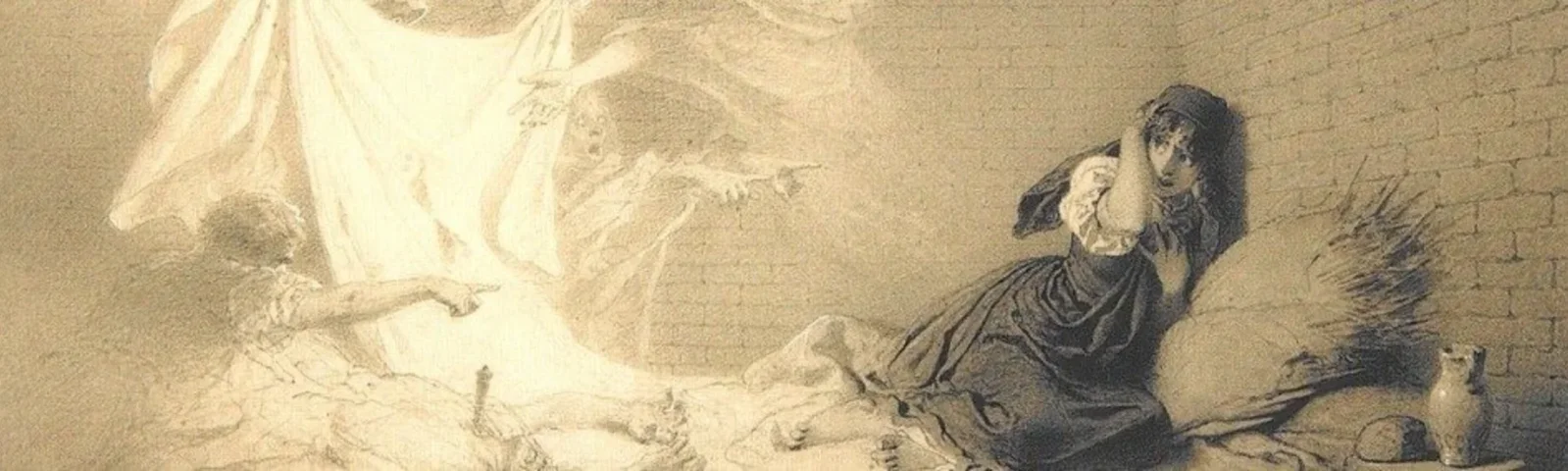

One of the best-known works in Hungarian literature dealing with the themes of crime and punishment is János Arany’s 'Ballad of Agnes'. Arany is a virtuoso in this genre. He finds the ballad’s obscurity and brevity particularly well-suited to the subject of a dark crime and a dark punishment. In Arany’s ballads, punishment is mostly psychological. The sinner, in a Shakespearean manner, is consumed by his sin, and the obsession with their sin remains a terrible consequence.
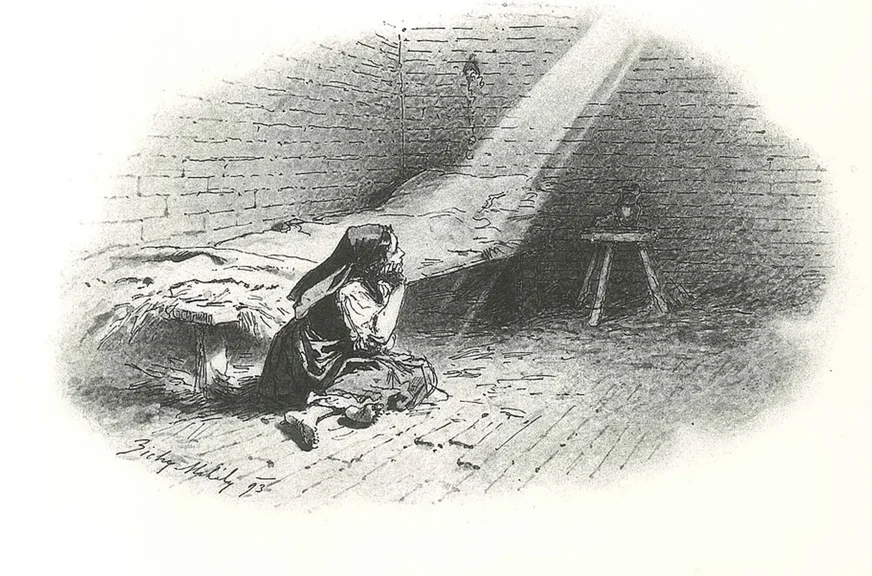
The poet presents the story of a peasant woman who murdered her husband, telling it in a consistently naive, at times pitying, then horrified folk voice, while at the same time vividly depicting her psychological process. Agnes falls into the hands of the law because, after the murder, she washes her bloodstained sheet in the stream. In the solitude of her prison cell, her mental balance is shattered, she completely forgets about the murder, and becomes obsessed with the idea that she must wash her sheet white.
The judges recognize her quiet insanity and releases her. From then on, Agnes washes the rags of her sheets for the rest of her life as a village fool. The ballad offers numerous possibilities for interpretation. Among them, the deepest reading is the one in which Agnes is more than just a common ballad figure or the heroine of a tragically tinged anecdote— she is the very symbol of a person who has fallen into sin. Her transgression is the incitement to a crime of passion, as well as her participation in it. She learns from her husband that her accomplice and lover “has confessed.” A male character who does not otherwise appear in the work appears as the accuser, that is, he plays the role of the devil, Satan. He leads the “weak person” into sin, then accuses her before God to bring about her damnation. In this sense, the ballad operates within a metaphysical framework; its subject is the dialectic of sin and punishment, human transgression and divine mercy. God actually saves Agnes by sending madness upon her, for this gives her the opportunity for penance, and perhaps she will avoid eternal damnation. Arany’s concept of sin and punishment transcends the world defined by law, elevating the tragic to the metaphysical realm. References: Our Greats, János Arany, compiled by Dr. Klára Margócsy