Zimbardo's prison experiment
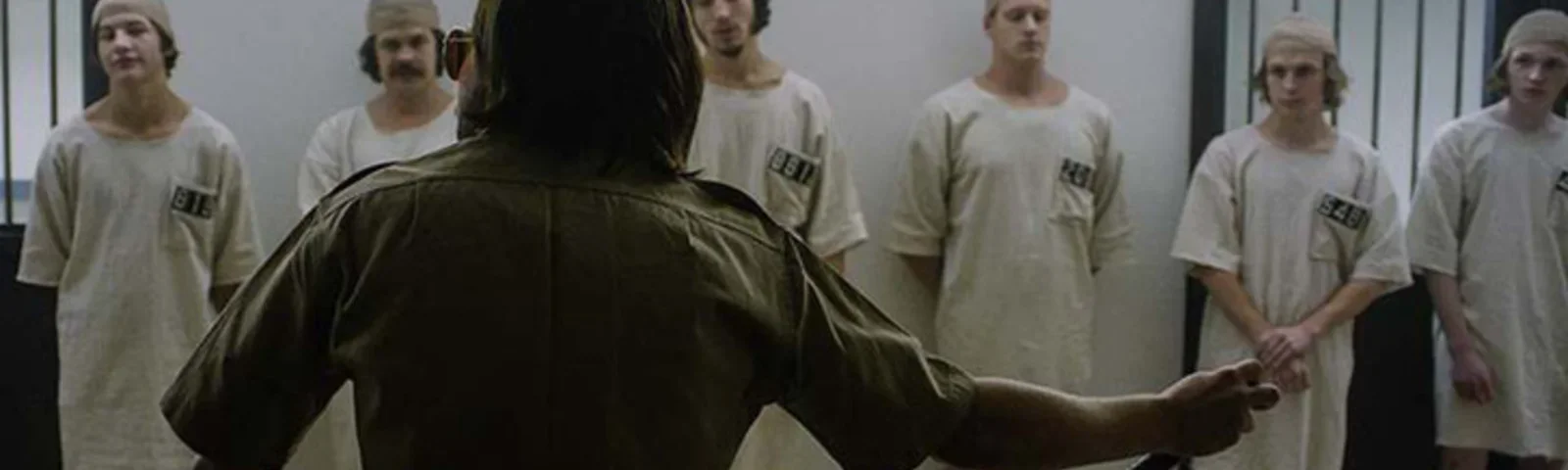
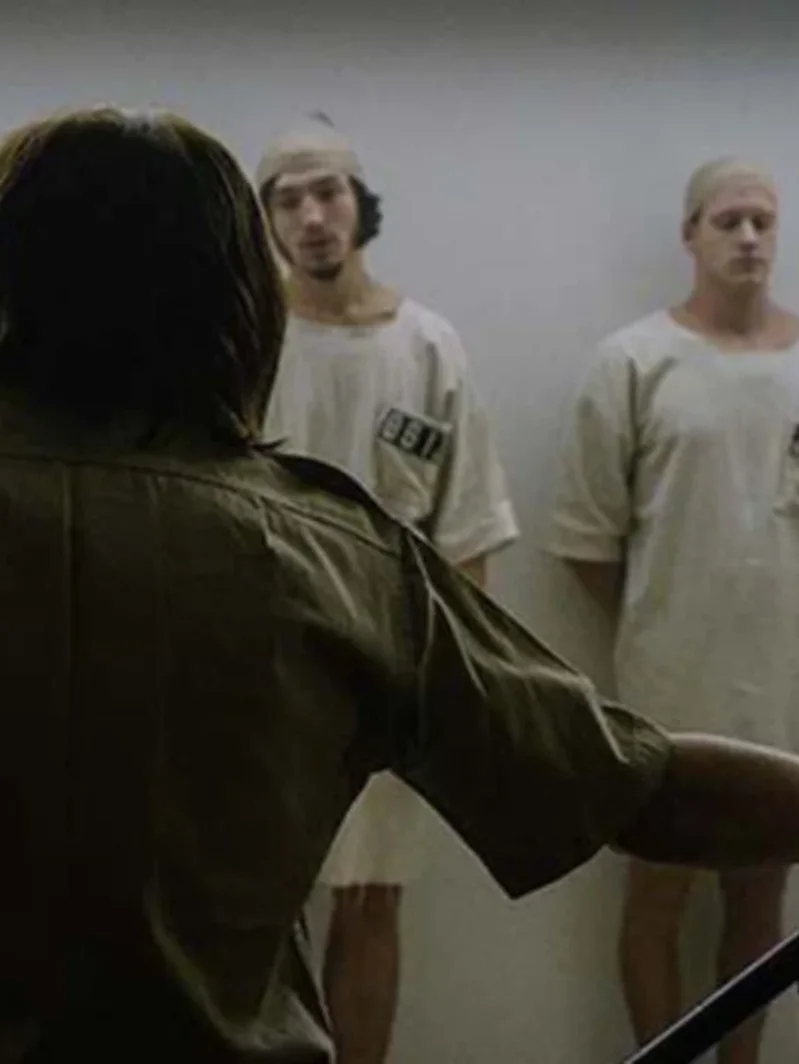
Imagine that in just a few days your personality will be transformed, and you, too, become an aggressive jailer or a broken prisoner! The famous—and infamous—Zimbardo experiment demonstrated this terrifyingly rapid transformation, where the effects of power and confinement confronted everyone with the dark side of human nature. The experiment not only yielded scientific results, but also taught a shocking lesson: anyone can become anything if the environment and the power they are given have a negative influence on you. What happens when we lose our humanity? Zimbardo’s experiment answers this question and has forever changed the way we view power.
Philip Zimbardo (1933–2024) was an American psychologist, whose research focused primarily on human behavior and its dependence on the social environment. He is best known for the prison experiment he conducted at Stanford University in 1971. The goal of the experiment was to examine how power and social roles influence our behavior within the basic context of why conflicts arise between prisoners and guards. Zimbardo simulated a prison on the university campus and divided 21 randomly selected volunteers, who did not know each other beforehand, into two groups: guards and prisoners. Everything proceeded just as it would have in a real-life scenario: the students designated as prisoners were arrested in their homes, their belongings were confiscated at the police station, and from there, blindfolded, they were taken to the university, where students dressed as guards were already waiting for them. They fully immersed themselves in their roles; although the use of physical abuse was prohibited, they made those who, in their opinion, did not follow the rules do push-ups as punishment. Soon a riot broke out, which brought about stange behavior in "guards": the instigators were placed in solitary confinement and denied food. The experiment had terrible consequences: the guards became increasingly cruel, while the prisoners became completely submissive. The experiment, originally planned to last two weeks, had to be halted after six days due to the excessive aggression exhibited by the guards and the mental breakdowns experienced by the prisoners—even though none of them had previously exhibited any psychological problems.
The “validity” of the experiment remains disputed to this day, as in 2018, investigative journalist Ben Blum used decisive audio recordings to prove that the experiment had been rigged. According to this, the leaders instructed the "guards" to behave aggressively so that the experiment would conclude in their favor, so that it would conclude in a way that supported their theory. Philip Zimbardo stood by his position to the very end; in his statement at the time, he wrote: “No single piece of evidence changes the conclusion of the experiment regardingthat systematic and situational forces influence an individual’s behavior in a positive or negative direction, often without the individual being aware of them.” The thought-provoking project that also inspired the film industry (The Stanford Prison Experiment, 2015): with or without influence, it profoundly demonstrates how power and roles can dehumanize people with frightening speed, and how psychological processes can alter social norms and moral boundaries.
Following the experiment, Zimbardo also developed the concept of “the power of the situation,” which posits that an individual’s behavior is shaped not only by personal traits or internal motivations, but social and environmental factors also have a significant influence; the environment and the situation can shape an individual’s actions in extraordinary ways, often even contrary to basic moral norms.